


History of Saunas
The earliest use of heat therapy can be traced back to ancient civilisations such as the Greeks and Romans, who utilized public baths and hot springs for relaxation and medicinal purposes.
In Finland, the sauna tradition dates back over 2,000 years. The Finnish sauna, a small wooden building heated by a stove, became an integral part of daily life, used for everything from relaxation to childbirth. This practice spread across Scandinavia and beyond.
In the 20th century, saunas evolved with technological advancements. Today, saunas are available in various forms, each with its unique benefits and features.
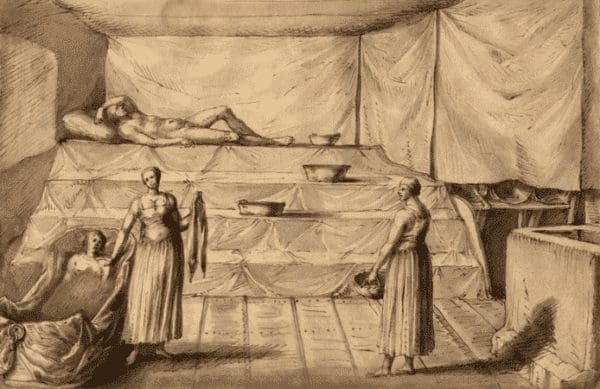

ANCIENT ORIGINS(2000 B.C.)

CULTURAL ADOPTION(500 B.C.)

TRADITIONAL FINNISH SAUNAS(18TH CENTURY)

MODERN INNOVATIONS (EARLY 2OTH CENTURY)

MODERN WELLNESS MOVEMENT(1980S)

GLOBAL POPULARITY AND INNOVATION(21ST CENTURY)
REVOLUTIONIZE YOUR RECOVERY
Calming environment that helps reduce stress and promotesrelaxation. The heat and steam combination can help soothe boththe body and mind, aiding in stress relief and overall well-being.
The heat from a steam sauna can help dilate blood vesselsenhancing circulation throughout the body. This increased bloodflow can have a positive impact on cardiovascular health, nutrientdelivery, and waste removal.
The humid environment helps soothe and open up the airwaysmaking it beneficial for individuals with respiratory conditionslike sinus congestion, allergies, or bronchitis.
Sweating inside the sauna helps flush out toxins and impuritiesfrom the body, promoting a healthier and cleansed system.
Promotes a sense of calmness, and prepares the body for arestful sleep. Steam sauna sessions in your evening routine canaid in falling asleep faster and experiencing deeper, morerejuvenating sleep.
Steam opens up the pores and promotes sweating, which caneffectively cleanse the skin and remove impurities. Contributes toa healthier complexion, improved skin tone, and a rejuvenatedappearance.
The heat and moisture promotes vasodilation, which increasesblood flow to the muscles.This improved circulation aids inmuscle recovery, reduce muscle soreness, and facilitate thehealing process after workouts or sports injuries.
Take time for your yourself and let your mind unwind. Nodistractions, just ultimate serenity, peace, and relaxation.
Exploring Different Types of Saunas
Saunas come in various forms, each offering a unique experience and set of benefts. Here’s a detailed look at the three main types:
Steam Saunas
Mechanism: Steam saunas generate heatthrough steam produced by boiling water in aheater, ranging from 110’F to 130’F. The air inthese saunas is saturated with humidity, oftenreaching 100%.Benefits: The high humidity insteam saunas hydrates the skin andrespiratory tract, making it easier to breathe.The moist heat can also enhance relaxationprovide relief for respiratory conditions, andimprove circulation.
Infrared Saunas
Mechanism: Infrared saunas use infrared lightto directly heat the body rather than the air. Thetemperature is usually lower than in traditionalsaunas, ranging from 120°F to 150°F(49°C to65°C).Benefits: Infrared saunas offer deeptissue heating, which can help withdetoxification pain relief, and skin health.
Dry Saunas
Mechanism: Dry saunas use a heater to raisethe air temperature, typically between 150°Fand 195°F (65’C and 90°C), with low humidity.Benefits: They provide a traditional saunaexperience with intense heat that helps to relaxmuscles, improve circulation, and promotesweating.The dry environment is beneficial forthose who prefer a less humid setting.
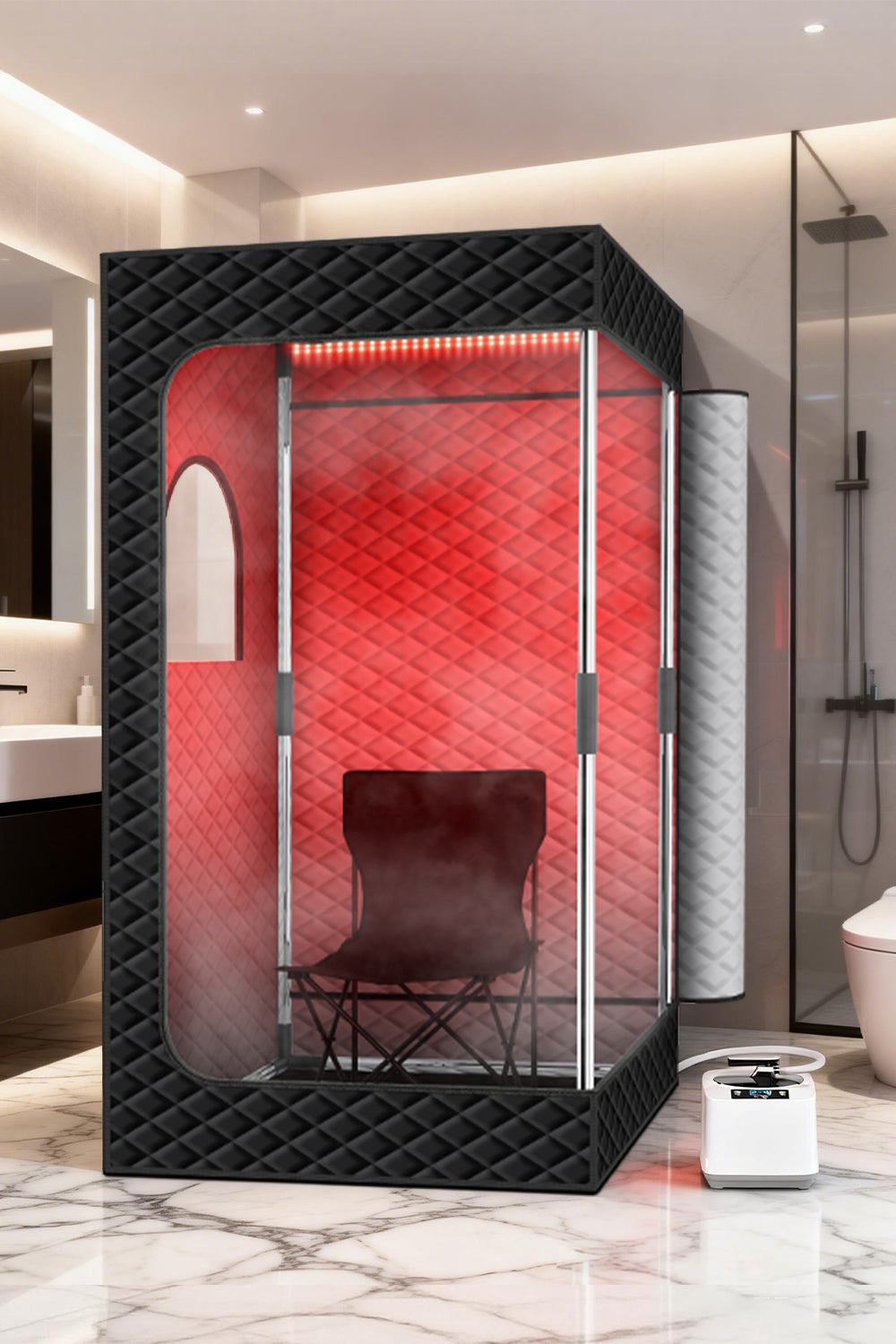
UNDERSTANDINGPERCEIVED
Temperature in SteamSaunas
The perception of heat in a steam sauna is influenced by both temperature and humidity. High humidity can make the environment feel significantly hotter than it actually is.
Concept Explained:
- Heat Index: The Heat Index combines temperature and humidity to reflect how hot it feels to the human body. In a steam sauna, the high humidity increases the perceived temperature, making the air feel hotter.
Example Calculation:
- Actual Temperature: 130°F
- Humidity: 95%
- Estimated Perceived Temperature: Approximately 145°F
A steam sauna at 130°F with 95% humidity might feel similar to a dry sauna at around 145°F.
This is a rough estimation and the actual perceived temperature can vary based on individual sensitivity and other factors like ventilation and air movement within the sauna.
HEAT THERAPYTRUSTED BYTOP PERFORMERS
"The KASUE SAUNA trains the body tohandle stress more effectively,increasing resilience and promotinga deep state of relaxation bypushing one's physiological limits."
