

After a hard lift, a sprint session, or a bruising game, athletes often look for one recovery tool that can calm soreness without adding more stress to the body. Cold therapy has become a popular choice. Whether it shows up as a cold plunge, ice bath, or quick cold shower, the appeal is simple: lower body temperature, reduce the heavy post-workout feeling, and get back to training sooner. The catch is that the benefits depend on timing, dose, and the training goal. Here’s how cold water exposure may help, where it falls short, and when it makes sense to use it.
What Cold Therapy Means for Athletes
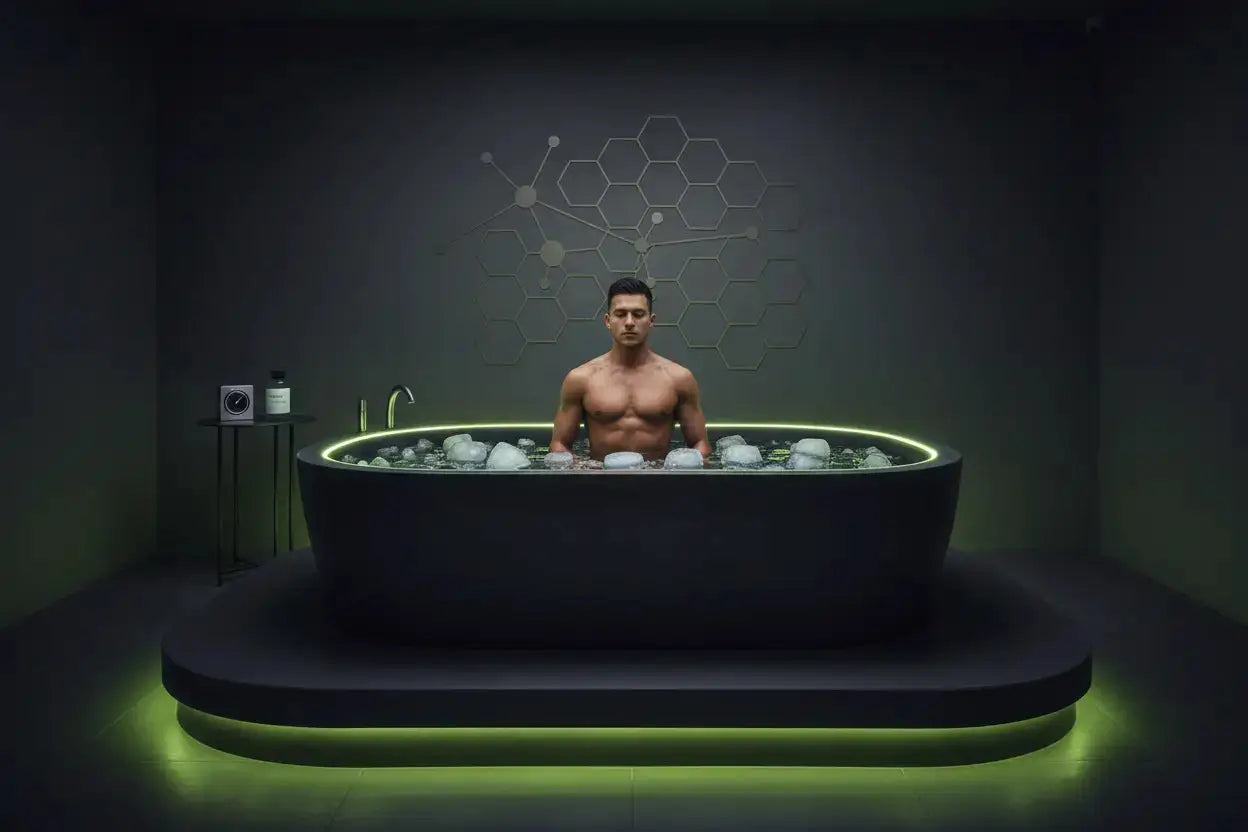
Cold therapy for athletes usually means exposing the body to cold temperatures after exercise to influence recovery. A cold plunge typically involves whole-body immersion in cold water, while an ice bath is often a tub filled with water and ice. Cold showers are lighter and less immersive, but still count as cold water exposure. Most athletes try these methods after training to address pain and soreness, bring down body temperature, and feel ready for the next session. The goal is rarely comfort. It is usually faster post-workout recovery after repeated stress, competition, or two-a-day training blocks.
How Cold Therapy May Support Recovery
Cold temperatures can narrow blood vessels, which temporarily changes blood flow and can reduce the feeling of heat and swelling in tired tissues. Once the athlete rewarms, circulation returns, which may help the body transition out of the high-stress state created by intense exercise. That is one reason cold immersion is often used after hard sessions or competition. Less inflammation may also mean less pain and soreness the next day, especially after eccentric lifting, long runs, or contact sports. The science is mixed, though. Some people notice a clear recovery benefit, while others feel little change. Cold therapy can help, but it is not guaranteed to fix every recovery problem.
Benefits Athletes Usually Notice First
The first thing many athletes notice is simple: the legs feel less cooked. Cold plunges and ice baths can reduce short-term soreness and create a refreshed, almost reset feeling in the muscles. That matters after tournaments, back-to-back matches, or a brutal conditioning day. Some athletes also report less fatigue and a quicker return to normal movement the next morning. There may be mood and alertness effects too, since cold water exposure can trigger a strong stress response that feels energizing once it is over. Those effects can help with readiness, but they are usually temporary. Cold therapy is more of a practical recovery technique than a transformation tool.
Cold Plunge vs Cold Showers vs Ice Baths
These methods are similar, but they are not equal. A cold plunge or ice bath immerses much more of the entire body, which often creates a stronger cooling effect and a more noticeable recovery response. Cold showers are easier to access and can still be useful after training, especially when time or equipment is limited. They are a reasonable alternative for athletes who want some benefit without setting up a tub or recovery pod. That said, full-body immersion tends to be the more intense option because more surface area is exposed to cold water. For someone deciding between convenience and a stronger stimulus, the trade-off is usually speed versus depth.
| Method | Exposure | Best Use |
|---|---|---|
| Cold shower | Partial, lighter exposure | Quick after-training refresh |
| Cold plunge | Whole-body immersion | Stronger recovery stimulus |
| Ice bath | Whole-body immersion with ice | More intense cooling after heavy work |
How Often Should an Athlete Cold Plunge?
A practical range for many athletes is 2 to 4 times per week, with daily use reserved for periods when soreness relief matters more than adaptation. If the goal is simply to feel better between matches, heavier lifting days, or travel, more frequent cold therapy can make sense. But if the goal is long-term strength gains, repeated cold exposure right after resistance training may not be the best default. In-season athletes often use it more aggressively because recovery needs are immediate. During building phases, it may be smarter to use cold water immersion selectively after tournaments, races, or unusually heavy workloads. The best schedule matches the training block, not a fixed rule.
What NFL Players and Other Pros Use It For
Professional athletes use ice baths because their schedules leave little room for slow recovery. Games, practices, collisions, flights, and short turnarounds create a constant need to manage soreness and body temperature fast. That is why NFL players, basketball teams, and endurance squads often treat cold therapy as routine maintenance. The habit is partly tradition and partly convenience: if a recovery pod or portable ice bath tub is already on site, it is easy to use. Still, pro adoption is not proof that the method is superior for every athlete. It shows that cold immersion fits demanding calendars, not that it is always the best answer for every training goal.
When Cold Therapy Can Hurt Strength and Muscle Growth
There is a real trade-off here. Repeated cold exposure right after resistance training may blunt some of the signals that help the body adapt, especially when the goal is strength and muscle growth. For athletes in a hypertrophy block, power phase, or off-season build, that matters. The body needs stress to trigger adaptation, and too much cold right after lifting may dampen that process. Endurance athletes often care more about next-day recovery, so the downside is usually smaller. Timing solves a lot of the problem. Using cold therapy after competition or very high-volume work is different from making it an automatic habit after every lifting session.
Is a 10 Minute Ice Bath Safe?
For many healthy adults, about 5 to 10 minutes in cold water is a common upper limit, but the water temperature matters as much as the clock. A 10 minute ice bath can be safe for some people if the water is cold rather than dangerously frigid, but longer exposure or very low temperatures raise the risk of hypothermia and a strong cardiovascular response. Stop immediately if there is numbness, dizziness, chest pain, shaking that escalates quickly, confusion, or trouble breathing. Extra caution is wise for anyone with heart disease, high blood pressure, circulation issues, or diabetes. If there is uncertainty, shorter sessions are the safer starting point.
How to Use Cold Therapy Safely After Workouts
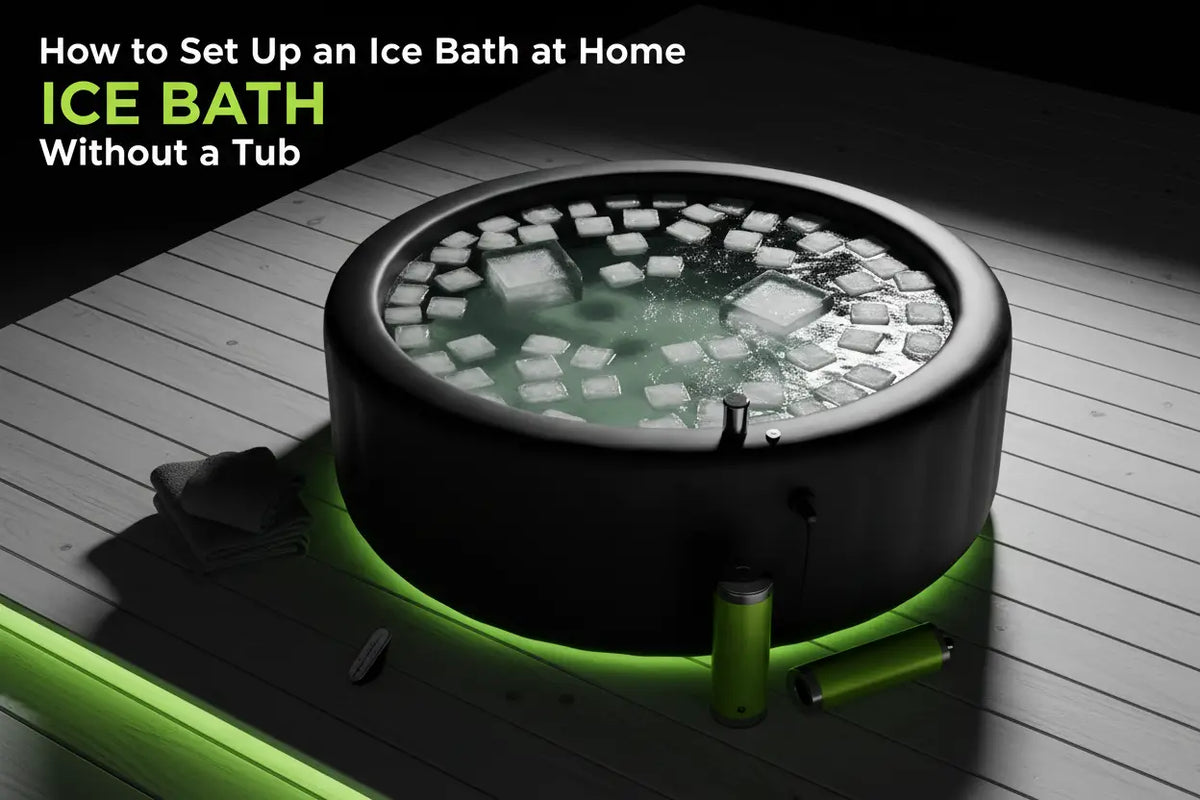
The safest approach is gradual. Start with cooler-not-freezing water, a shorter session, and a setting where getting out and rewarming is easy. A beginner routine might be 2 to 5 minutes in cold immersion after a tough workout, then a warm towel, dry clothes, and seated recovery before returning to normal activity. Supervision helps, especially the first few times, because cold water can provoke a bigger reaction than expected. Portable ice bath tubs, recovery pods, and weatherproof setups can make the process more controlled at home, but the environment still matters. Match the method to the training goal: use cold therapy for soreness control when needed, not as a reflex after every session.
Choosing the Right Recovery Tool for the Job
Cold plunge benefits for athletes are most convincing when the priority is short-term soreness relief, fast turnaround, and competition recovery. Cold therapy can be a smart tool, but it is not a universal upgrade for performance or muscle growth. That is why timing, frequency, and training phase matter so much. Athletes who want comfort after brutal sessions may appreciate cold water immersion, while those chasing hypertrophy may want to save it for select days only. The best recovery plan is usually the one that fits the workload, the season, and the body’s response—not the trend.


Dejar un comentario
Este sitio está protegido por hCaptcha y se aplican la Política de privacidad de hCaptcha y los Términos del servicio.