

Cold plunges have moved from niche recovery tools to a regular part of many gym bags and home wellness routines. Some people use an ice bath after a hard workout, while others rely on cold showers or a portable cold water setup to reset after stressful days. The appeal is simple: reduce soreness, feel more alert, and speed up recovery without much equipment. The real question is how much of that is supported by science, what the benefits of ice baths actually look like, and where the safety limits begin.
What Are the Benefits of Ice Baths?
Ice baths, also called cold-water immersion or cold-water immersion therapy, involve sitting in cold water for a short period, usually after exercise or a demanding day. Athletes often try them to ease soreness and support recovery, while wellness users may want the mental jolt that comes from cold therapy. The benefits of ice baths are most useful when expectations stay realistic. This article focuses on evidence, recovery, safety, and the practical trade-offs that matter before making cold plunges part of a routine.
How Ice Baths Work in the Body
Cold water triggers an immediate stress response. Body temperature starts to drop, blood vessels tighten, and the nervous system switches into a heightened alert state. That first shock usually changes breathing, heart rate, and circulation within seconds, which is why the experience can feel intense even in a short plunge. Those short-term changes may help explain why many people feel less swollen and less sore afterward. The benefits come from a mix of reduced tissue temperature, altered blood flow, and a temporary shift in how the body processes discomfort.
Blood Flow, Circulation, and Blood Pressure
When cold exposure narrows blood vessels, blood flow is redirected and circulation changes quickly. That can reduce the feeling of inflammation around tired muscles, which is one reason cold therapy is so popular after training. Blood pressure can rise during this response, though, so the body’s reaction is not the same for everyone. For people with cardiovascular concerns, this matters as much as the potential recovery benefit.
Top Benefits of Ice Baths for Recovery
The most common reason people take an ice bath is faster post-workout recovery. After intense training, a competition, or a long event, cold water may help reduce swelling and the kind of muscle damage that makes the next day feel brutal. Many athletes use it after repeated sprint work, heavy lower-body sessions, or tournaments where they need to feel ready again quickly. Research suggests the benefits can include less next-day soreness and a better sense of readiness, but results vary based on the person, the sport, and how often cold immersion is used. Some training styles may even need the stress of normal recovery to keep adaptation moving, so cold plunges are not a universal answer.
Why Sore Muscles May Feel Better
Cold water can calm the burn of irritated tissue by reducing local inflammation and numbing pain signals for a short time. That symptom relief can make movement easier the next day, but it is not the same as healing an injury. If sharp pain, swelling, or reduced function is present, cold therapy should not be used to mask a problem that needs evaluation.
When Ice Baths May Help Most
The strongest use case is short-term recovery support after hard sessions, multi-day tournaments, or exercise in hot conditions. In those situations, the goal is often to feel fresher sooner, not to build a permanent cold tolerance. For a weekend athlete or someone training back-to-back, that can be enough to justify the plunge.
Other Potential Benefits of Ice Baths
People also search for the benefits of ice baths because they hope for better mood, sharper focus, or more energy. Those effects are plausible, and many users describe the experience as invigorating, but they are less proven than recovery benefits. Some of the response may come from the stress of the cold itself, and some from the after-effect of pushing through discomfort. That means a cold plunge can feel powerful without every benefit being equally supported by research. A few results may be subjective or anecdotal, especially when it comes to long-term wellness claims.
Mental Clarity and Mood
Cold exposure can feel like a reset button. The sharp increase in alertness may help attention in the moment, and the body’s stress response may contribute to a temporary lift in mood. Endorphin release is often mentioned, but the evidence is still evolving, so the safest claim is modest: some people feel clearer and more energized afterward.
Are Cold Showers as Effective as Ice Baths?
Cold showers are a more approachable starting point for anyone not ready to sit in an ice bath. They usually bring milder cold therapy benefits with far less discomfort, which makes them easier to repeat every day. A shower is also simpler to control and can help people decide whether cold exposure is worth pursuing. Full cold-water immersion tends to create a stronger whole-body response, so it may be better for recovery-focused users. The best option depends on goals, tolerance, and safety considerations.
When a Cold Shower Is Enough
For beginners, a short cold shower can build tolerance without the intensity of a plunge. It also fits better into a regular morning routine for people who want a quick jolt rather than a full recovery session. That makes it a practical stepping stone before moving to a portable ice bath tub.
How Many Minutes of Ice Baths Do You Need?
Timing matters more than many first-time users expect. Most people do better starting with a short exposure and increasing gradually only if the experience stays manageable. A common range is one to three minutes for beginners, with some experienced users staying longer depending on water temperature and comfort. Frequency also varies: some people cold plunge a few times a week, while others use it after especially hard sessions. There is no perfect formula, and longer is not automatically better. The aim is controlled exposure, not endurance training.
What a 2 Minute Cold Plunge Does
A two-minute plunge creates the immediate shock response without asking too much from a beginner. Breathing becomes more deliberate, heart rate shifts, and alertness tends to rise quickly. It can help people tolerate discomfort and get a feel for recovery routines, but the long-term change is still limited by how often it is used.
Why Some People Aim for Three Minutes
Three minutes is a common middle ground because it is long enough to feel substantial without becoming difficult to manage. It works best when the water temperature is appropriate and the person already understands how their body reacts. As experience grows, three minutes often feels more practical than chasing a much longer session.
How Many Minutes a Week Should You Cold Plunge?
There is no single weekly target that fits everyone. A practical range might be a few sessions per week, adjusted around training load, soreness, and how well the body tolerates cold stress. Consistency matters more than forcing daily exposure, especially if the goal is recovery rather than toughness. For most people, the best routine is the one they can repeat safely and stick with over time.
What Happens After 30 Days of Ice Baths?
After about 30 days of regular cold exposure, many users notice that the experience feels less shocking. The body may become more comfortable with the cold stress, and confidence often improves simply because the routine starts to feel familiar. Some people report better perceived recovery or a more manageable post-workout reset, though the exact effect depends on temperature, frequency, and baseline fitness. One month is enough to notice adaptation, but not enough to promise universal results.
Possible Changes Over Time
Routine exposure can make the cold feel more predictable, which may lower anxiety before a plunge and make adherence easier. For some users, that consistency becomes the real win: a repeatable recovery habit that is easier to stick with than a more complicated routine.
Risks and Side Effects of Ice Baths
Cold plunges are not risk-free. The biggest concerns are hypothermia, frostbite, breathing stress, dizziness, and the sudden cold shock response that hits hardest in the first moments of immersion. Risks climb as water gets colder, exposure lasts longer, and the setting becomes less controlled, especially outdoors or in open water. People with heart conditions, blood pressure concerns, or circulation issues need extra caution because the body’s response can be intense. An ice bath may look simple, but the safety profile changes quickly when the temperature drops too far or the session goes on too long.
Hypothermia and Frostbite
If body temperature falls too low, the situation can turn dangerous quickly, especially with prolonged exposure. Early warning signs include uncontrolled shivering, confusion, numbness, and clumsiness. Frozen outdoor environments raise the risk even more because cold water exposure can combine with wind and low ambient temperatures.
Breathing, Heart Rate, and Blood Pressure Strain
The cold shock response can make breathing feel involuntary for a few moments, and heart rate and blood pressure may spike. That reaction is part of why an ice bath feels so intense, but it also explains the risk for vulnerable users. Anyone with a cardiac history should treat that first minute as the most sensitive part of the plunge.
Who Should Avoid Ice Baths?
Some people should get medical advice before trying cold immersion therapy. That includes anyone with heart disease, uncontrolled blood pressure, arrhythmias, Raynaud’s, neuropathy, or a history of fainting. Medication use can matter too, especially if it affects blood pressure, circulation, or temperature regulation. Pregnancy, severe asthma, and other chronic conditions also deserve a cautious conversation before any ice bath routine starts. When in doubt, a safer alternative like a brief cold shower may be the better option.
When to Talk to a Doctor First
Talk to a clinician first if there is chest pain, a history of passing out, unmanaged hypertension, cardiac disease, or any condition that changes circulation or sensation. Personalized advice is far more useful than generic internet guidance when the stakes involve breathing and blood pressure.
How to Take an Ice Bath Safely
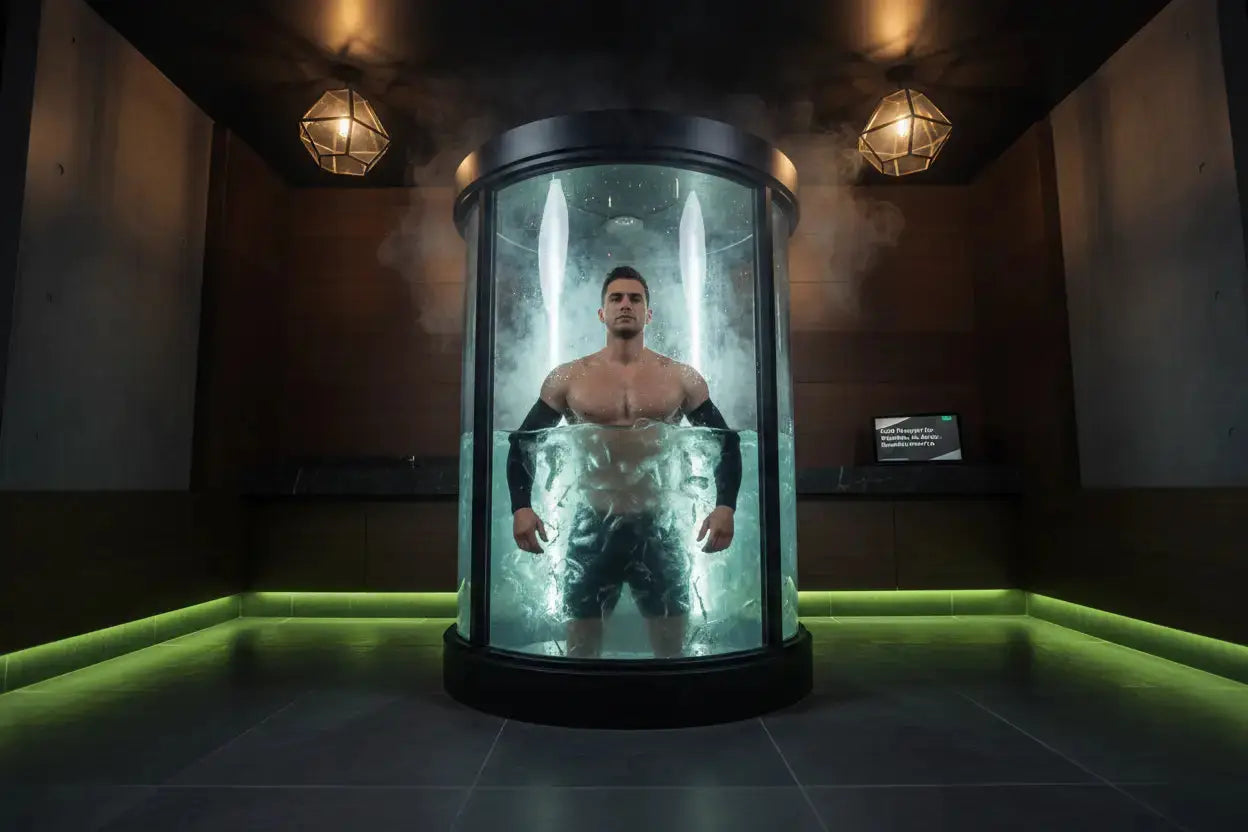
Safe cold therapy starts with control, not bravado. Beginners should choose a manageable water temperature, keep the first sessions short, and have supervision if possible. Enter slowly, avoid panic breathing, and step out if shivering becomes severe or dizziness appears. After the plunge, dry off and warm up gradually rather than jumping straight into extreme heat. If the idea feels intimidating, a cold shower is a reasonable first step before using a portable cold water setup or recovery pod.
Beginner Ice Bath Safety Steps
Start with brief exposure and see how the body reacts before extending the time. Ease in instead of jumping fully under, and focus on slow exhalations to keep breathing steady. Having someone nearby adds safety, especially during the first few attempts. Once finished, dry off, dress warmly, and let the body rewarm at its own pace.
Best Practices for Timing and Temperature
Moderately cold water is usually enough to create a strong response without unnecessary risk, and time and temperature should always be considered together. A colder bath does not need to last as long to feel intense, which is why restraint matters.
Are Ice Baths Actually Good for You?
For some people, yes, especially when the goal is short-term recovery after strenuous exercise. The benefits of ice baths are real enough to explain their popularity, but they are not universal and they are not magic. Evidence is strongest for reducing soreness and improving how the body feels in the next 24 hours, while broader claims about immunity, fat loss, or long-term performance are less certain. The practice makes the most sense for users who value fast recovery and can tolerate cold safely.
When Ice Baths Make Sense
Athletes, fitness enthusiasts, and home recovery users are the most likely to notice useful results, especially when sessions are hard and repeated. Recovery goals are different from long-term performance goals, so the best choice depends on what matters most right now.
Key Takeaways on the Benefits of Ice Baths
Ice baths may reduce soreness, support short-term recovery, and leave some people feeling sharper or more energized, but they also come with real risks if used carelessly. Short, controlled exposure is the safest place to start, and cold showers can work well as a beginner option. If heart health, blood pressure, or circulation are concerns, a clinician should weigh in before making cold plunges part of the routine.



Dejar un comentario
Este sitio está protegido por hCaptcha y se aplican la Política de privacidad de hCaptcha y los Términos del servicio.