

A portable sauna can turn a spare corner, garage, or recovery room into a reliable heat-therapy setup, but the experience goes smoothly only when the basics are handled first. Knowing how to use a portable sauna at home means more than switching it on; it starts with the right space, a safe power source, and a setup that fits the model you bought. The steps below cover assembly, safe operation, timing, care, and troubleshooting so the sauna feels easy to use instead of frustrating.
What You Need Before Using a Portable Sauna
Start with the items that make the session comfortable and safe: the sauna unit, steam or heat generator, chair or seat, water container, towel, and any mats or liners that protect the floor. If the model includes infrared heat therapy, full spectrum and low EMF features, or a smart temperature control panel, confirm those accessories are in the box before you begin.
The room matters just as much as the equipment. Choose a flat, dry floor with enough clearance around the unit, and make sure the outlet can handle the power demand without an extension cord unless the manual allows one. Good ventilation helps manage humidity, especially with steam-style units, while insulated spaces work well for portable infrared sauna models that are designed to hold heat. Before assembly, skim the manual for voltage, water-fill limits, warming time, and any placement rules that protect the frame, zippers, or steam lines.
How to Set Up a Portable Sauna at Home
A clean layout makes assembly far easier, especially with an infrared sauna box or folding personal sauna that arrives in multiple parts. Unbox everything first, then sort the poles, cover, heater, tubing, and hardware by type so nothing gets buried under packaging. That small step saves time and helps reveal missing pieces before the frame is halfway built.
Build from the base upward, following the manual in order. Set the frame or support structure, attach the cover or enclosure, then connect the steam unit or infrared components last so cords and hoses are not twisted during assembly. Position the sauna where it can stay level and accessible, with the door or zipper opening easy to reach. Loose connections, pinched hoses, and poor positioning are the most common setup mistakes, and they usually show up later as weak heat, leaks, or uneven performance.
How to Use a Portable Sauna at Home Safely
Before every session, check water levels, power connections, and the heater or steam unit status. If the sauna uses a water reservoir, fill it only to the indicated line, and confirm the cord is dry, fully seated, and away from any splash zone. This is also the moment to inspect the cover, zipper, and seams for visible damage, since a small tear can affect steam retention and comfort.
Once inside, sit in a stable position with enough room to breathe easily and close the sauna as designed so heat builds evenly. Keep a towel nearby to absorb sweat and protect the seat, especially in a 2 person sauna box or extra large capacity unit where users may shift around more. Hydration should happen before and after, not just during the day’s later recovery routine. If dizziness, nausea, chest discomfort, headache, or unusual fatigue appears, stop immediately and exit. Heat should feel intense but manageable, not overwhelming.
Portable Sauna Session Timing and Routine
For beginners, short sessions are the smartest starting point. Many people do well with 10 to 15 minutes at first, then gradually increase time as the body adapts and the experience feels predictable. Athletes using a portable infrared sauna for muscle recovery may prefer it after training, while wellness users often choose a quieter evening session for relaxation. The best timing depends on what the sauna is supposed to do: recovery, relaxation, or a mix of both.
After the session, step out slowly, cool down in a comfortable room, and drink water or an electrolyte beverage if the session was sweat-heavy. A brief rest helps the heart rate settle and makes the next use easier to tolerate. If the sauna is part of a larger recovery setup with a portable ice bath tub or recovery pod, avoid jumping straight from extreme heat to cold unless that contrast routine is already familiar and well-tolerated.
Cleaning, Storage, and Maintenance Tips
Good care starts immediately after use. Drain any water from the steam unit, wipe down interior surfaces, and let every part dry fully before packing it away. Moisture left in seams, hose joints, or the base is the fastest way to create odors and mold, especially in a weatherproof lid or triple-layer insulation design that can trap damp air if folded too soon.
Storage should keep the sauna clean, dry, and loosely packed rather than crushed into a tight corner. If the unit is ultra-portable, resist the urge to jam accessories into the enclosure, since that can crease panels and wear down zippers over time. Inspect hoses, zippers, connectors, and seams every few uses, and look for stiffness, cracking, fraying, or weak stitching. Catching wear early usually prevents bigger repairs later.
Common Problems and Troubleshooting
Weak steam or slow heat-up usually comes from a basic issue rather than a failed machine. Check water level first, then confirm the outlet is supplying steady power and the unit is positioned upright. If the sauna feels underpowered, a loose hose, clogged steam outlet, or cover that is not sealed properly may be letting heat escape. In infrared models, poor heat retention often points to gaps in the enclosure or a room that is too drafty.
Before contacting support or replacing parts, run through a quick checklist: power on, water level correct, connections tight, vents or openings set properly, and the unit placed on a level surface. If water is leaking, tighten fittings and inspect the reservoir or hose for cracks. If the sauna still performs inconsistently, compare the symptoms with the manual’s troubleshooting section, since many smart temperature control systems and low EMF heaters have model-specific reset steps.
| Problem | Likely Cause | Simple Fix |
|---|---|---|
| Weak steam | Low water or loose hose | Refill to the marked line and reconnect fittings |
| Slow heat-up | Power issue or poor positioning | Use the correct outlet and move to a level, enclosed space |
| Leaking water | Cracked line or loose reservoir cap | Inspect seals and tighten or replace the damaged part |
| Uneven performance | Cover not sealed or unit not assembled correctly | Check zippers, seams, and frame alignment |
Getting the Most from a Portable Sauna at Home
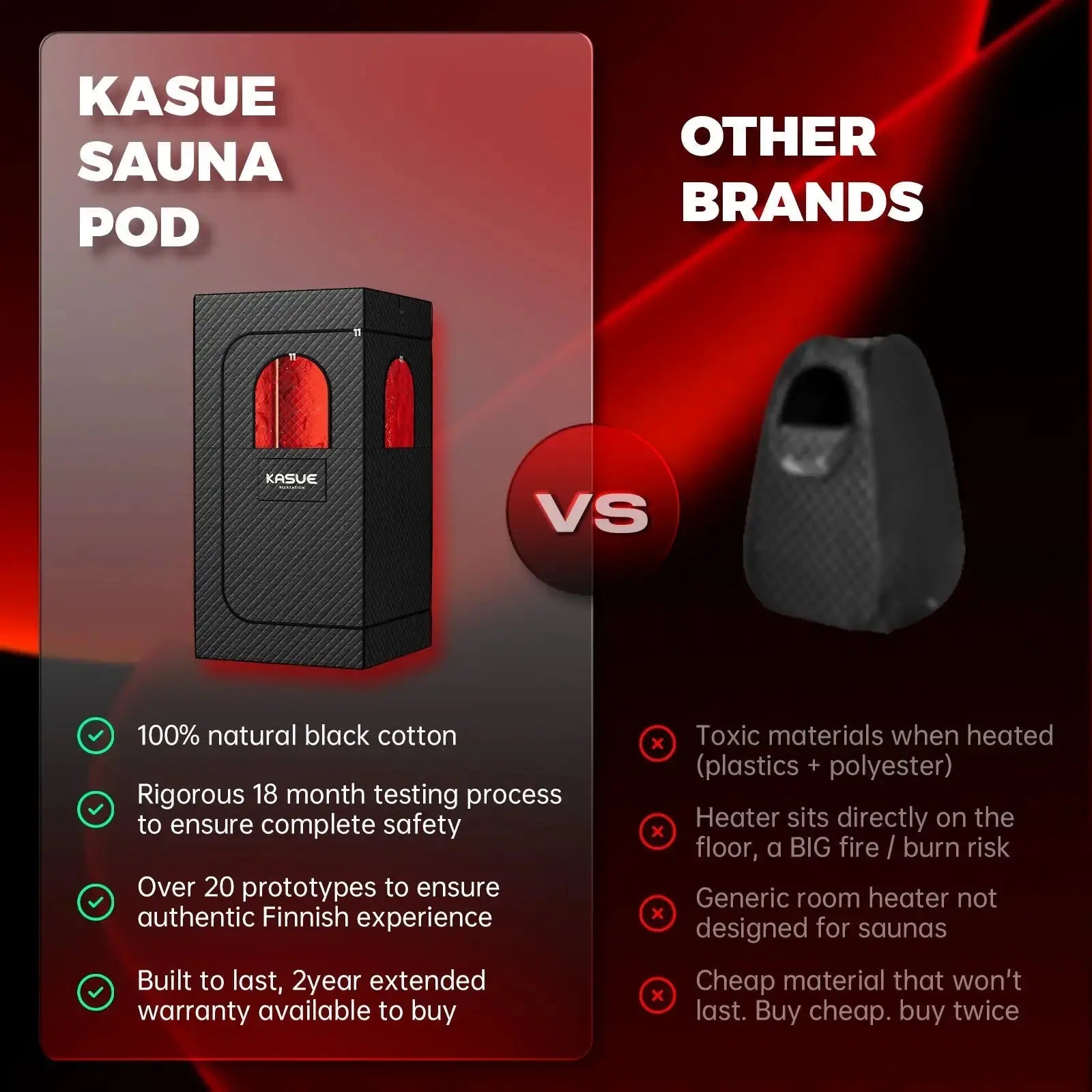
The best results come from a setup that matches the room, the model, and the user’s goals. A portable sauna can support relaxation, sweat sessions, and recovery, but only if it is assembled correctly, used with attention, and cared for after every session. Start small, stay consistent, and treat the manual as part of the equipment rather than an afterthought. For more at-home wellness options, explore the KASUE Sauna Box.



Leave a comment
This site is protected by hCaptcha and the hCaptcha Privacy Policy and Terms of Service apply.