

 Muscle soreness and delayed recovery after intense workouts challenge many athletes and fitness enthusiasts. Cold water therapy, ranging from ice baths to cryotherapy, has grown in popularity as a solution to accelerate muscle recovery and alleviate soreness. This article explores how cold therapy works, compares its effects with heat therapy, reviews scientific evidence, and provides guidance on safe, effective use—empowering readers to make informed decisions aligned with their training goals and health.
Understanding Cold Therapy: What It Is and How It Works
Cold therapy involves applying low temperatures to the body using various methods such as ice packs, cold showers, ice baths, and whole-body cryotherapy. Each form subjects muscle tissues and the nervous system to cold exposure, triggering physiological responses. At cold temperatures, blood vessels constrict (vasoconstriction), reducing blood flow to treated areas and numbing nerve endings, which decreases pain and inflammation. On a cellular level, cold exposure slows metabolic activity within muscle tissues, limiting damage and initiating recovery processes.
Cold water immersion specifically refers to submerging parts or the entire body in cold water, typically ranging from 50°F to 59°F (10°C–15°C) for durations between 5 to 15 minutes. Whole-body cryotherapy, distinct from water immersion, uses extremely cold air (often below -200°F or -130°C) for very short exposures, generally 2–3 minutes, in specialized chambers. Both aim to harness cold's benefits but differ in intensity, practicality, physiological impact, and implications for blood flow regulation.
How Cold Therapy Aids Athletic Recovery
Cold therapy plays an important role in athletic recovery by mitigating inflammation and muscle damage triggered during intense exercise. When muscles undergo strenuous activity, microtears and swelling occur, contributing to pain and limiting performance. Cold therapy’s vasoconstriction effect works to reduce blood vessel diameter, restricting excessive blood flow and thereby limiting swelling and soreness.
This reduced inflammation environment accelerates the clearance of lactic acid and metabolic waste accumulated during training sessions. Efficient lactic acid removal aids in restoring muscle function and reducing the sensation of stiffness. Additionally, cold exposure slows enzymatic reactions responsible for muscle breakdown, allowing for more effective muscle repair and regeneration.
Several studies highlight these benefits, showing athletes who use cold water therapy products like portable ice baths recover faster between sessions, reporting decreased delayed onset muscle soreness (DOMS) and improved performance maintenance. For example, professional athletes frequently incorporate ice baths or cold plunges immediately post-exercise to maximize passive recovery, particularly during condensed competition schedules.
Cold Therapy vs. Heat Therapy: When to Use Each for Muscle Soreness and Pain Relief
Cold therapy and heat therapy serve distinct roles in managing muscle soreness and pain. Cold therapy primarily reduces blood flow and numbs localized pain through vasoconstriction and slowed nerve signaling. It is most effective immediately after acute injuries or post-workout to decrease inflammation and tissue damage.
In contrast, heat therapy enhances circulation by dilating blood vessels, promoting nutrient delivery, and relaxing stiff muscles. Heat is better suited for managing chronic muscle stiffness or preparing muscles before activity. For example, heat packs or infrared sauna use may ease tension accumulated over time.
Limitations of cold therapy include potential interference with strength and muscle growth adaptations if overused, whereas heat therapy does not typically reduce swelling but may prolong inflammation if applied too soon. Physical therapists and strength and conditioning specialists often recommend cold therapy during the acute phase after training or injury, followed by heat therapy once swelling subsides—tailoring strategies to individual recovery needs.
Methods of Cold Therapy: Ice Baths, Cold Plunges, and Cold Showers Explained
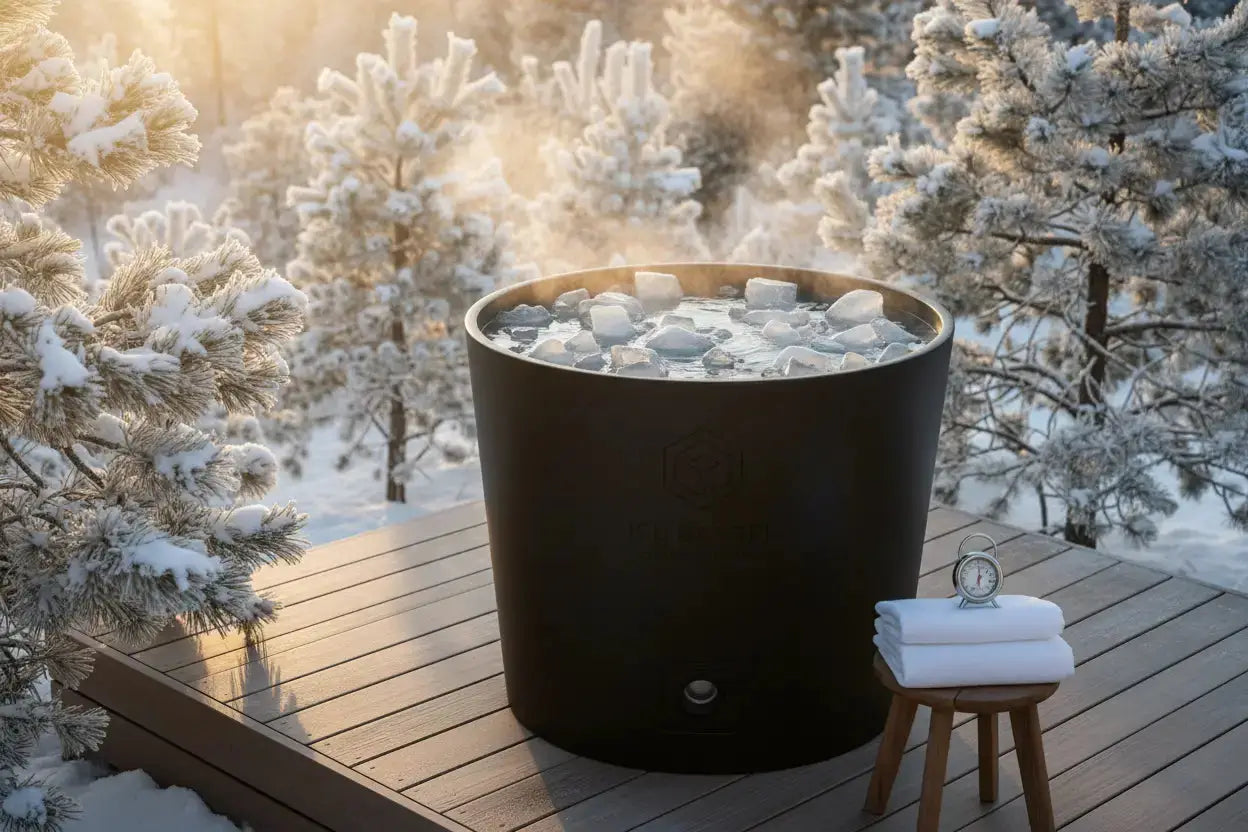
Among cold therapy options, ice baths and cold plunges involve immersed exposure, differing primarily in scale. Ice baths typically use tubs filled with ice and water maintained between 50°F and 59°F, with sessions lasting around 10 to 15 minutes. Cold plunges refer to similar immersion but may involve natural bodies of cold water or commercial cold plunge pools, often slightly colder and requiring careful acclimation.
Cold showers offer a more accessible and milder alternative, exposing the body to cold water flow without full immersion. While less intense, cold showers can still trigger vasoconstriction and provide some benefits for pain relief and alertness, especially beneficial for individuals without access to dedicated cold therapy setups.
For beginners, starting with shorter durations of 30 seconds to 1 minute and temps around 60°F is advisable, gradually increasing time as tolerance builds. Safety precautions include avoiding sudden cold exposure for people with cardiovascular issues and ensuring warm-up afterward to prevent hypothermia risks.
Scientific Evidence: Does Cold Water Make Your Muscles Recover Faster?
What Research Says About Recovery Speed
Research consistently supports cold water therapy for reducing delayed onset muscle soreness (DOMS) and accelerating short-term recovery after exercise. Studies involving ice baths and cold immersion show decreased muscle soreness and faster return to baseline performance within 24 to 72 hours. However, nuances emerge: cold therapy appears more effective for endurance and repeated aerobic activity recovery than for resistance training focused on muscle hypertrophy.
Some investigations suggest regular cold exposure post-strength training may blunt inflammation necessary for optimal strength and muscle growth, potentially impairing long-term adaptations. This trade-off necessitates strategic timing of cold therapy based on specific training goals.
The 1-10-1 Rule in Cold Water Therapy
The 1-10-1 rule guides safe and effective cold exposure: begin with 1 minute of initial immersion, limit total cold water exposure to 10 minutes per session, and restrict to 1 session per day. This framework helps users gradually acclimate to cold temperature, minimizing risks such as cold shock response, dizziness, or hypothermia.
Following this rule ensures cold therapy remains beneficial without introducing adverse effects. Monitoring physical responses like shivering intensity and skin color is critical, with professional consultation advised for individuals with cardiovascular or circulatory concerns.
Health Benefits Beyond Muscle Recovery
Reducing Pain and Inflammation
Cold therapy reduces pain by slowing nerve signal transmission, diminishing the brain's awareness of discomfort. These analgesic effects make it valuable for managing acute injuries and post-exercise soreness. Additionally, cold's anti-inflammatory properties limit swelling and tissue damage, supporting faster functional recovery.
Nonetheless, cold therapy may offer limited relief for chronic musculoskeletal conditions. In such cases, heat therapy may be more effective for alleviating stiffness and improving joint mobility.
Potential Metabolic and Immune Effects
Emerging evidence links cold exposure to metabolic benefits like improved blood sugar regulation and activation of brown adipose tissue, which boosts thermogenesis and energy expenditure. Some anecdotal claims suggest cold showers might reduce sick days by enhancing immune responsiveness, though these findings await robust clinical validation.
Mental and Mood Enhancements
Cold therapy may promote mental clarity and mood improvements by triggering endorphin and noradrenaline release. Studies show decreases in anxiety and heightened alertness following cold exposure sessions, making it a potential complementary strategy for mental wellness. Still, these psychological benefits require cautious interpretation until larger controlled trials are conducted.
Risks and Safety Tips for Cold Therapy
Cold therapy carries risks such as cold shock response, hypothermia, and frostbite, especially in uncontrolled natural environments. Using controlled settings like indoor tubs or professionally managed cryotherapy chambers reduces these dangers. A buddy system is recommended when trying cold plunges or ice baths for the first time.
Individuals with cardiovascular conditions, Raynaud’s phenomenon, or cold sensitivity should avoid or consult healthcare providers before beginning cold therapy. Best practices include gradual exposure, vigilant temperature monitoring, limiting immersion duration, and warming up fully afterward.
Optimizing Cold Therapy for Your Training and Recovery Goals
Integrating cold therapy effectively requires balancing recovery benefits with preserving muscle growth and strength adaptations. Using cold therapy during periods of intense competition or back-to-back training sessions can manage pain and swelling without hindering progress.
Consulting physical therapists or strength and conditioning specialists can help tailor cold therapy protocols to specific needs. Combining cold therapy with active recovery methods—such as light movement, stretching, or low-intensity exercise—enhances blood flow and promotes holistic recovery.
Complementary Strategies: Combining Cold Therapy with Other Recovery Techniques
Contrast therapy, which alternates cold and heat exposure, leverages the benefits of both to optimize blood flow and tissue repair. Foam rolling and massage further support muscle recovery by reducing adhesions and improving mobility.
Nutrition rich in anti-inflammatory foods and adequate sleep also play crucial roles alongside cold therapy in supporting effective muscle recovery and overall athletic performance.
Frequently Asked Questions About Cold Therapy
Does Cold Water Make Your Muscles Recover Faster?
Cold water therapy effectively reduces short-term muscle soreness and inflammation after workouts, speeding subjective recovery and functional return. However, it may blunt long-term strength and muscle growth adaptations if used excessively after resistance training. Proper timing and moderation are key to maximizing benefits without compromising progress.
What Is the 1-10-1 Rule in Cold Water Therapy?
The 1-10-1 rule is a guideline for safe cold water exposure: start with 1 minute of immersion to acclimate, limit total exposure to 10 minutes to avoid adverse effects, and restrict to 1 session daily. This approach helps balance efficacy with safety.
How Often Should I Use Cold Therapy After Training?
Frequency depends on training intensity and goals. For endurance athletes or during high-volume training phases, daily or frequent sessions may aid recovery. However, those focusing on hypertrophy should limit cold therapy to avoid dampening inflammation needed for muscle growth, typically using it only on particularly heavy or back-to-back training days.
Harnessing Cold Therapy for Enhanced Recovery and Wellbeing
Cold water therapy represents a proven strategy to accelerate muscle recovery, reduce pain and soreness, and support overall health, especially when applied thoughtfully within a broader training and wellness plan. Incorporating cold plunges, ice baths, or cold showers complemented by active recovery and professional guidance can optimize results while minimizing risks. As science evolves, personalized application of cold therapy remains paramount to unlocking its full potential in 2026 and beyond.



Leave a comment
This site is protected by hCaptcha and the hCaptcha Privacy Policy and Terms of Service apply.