

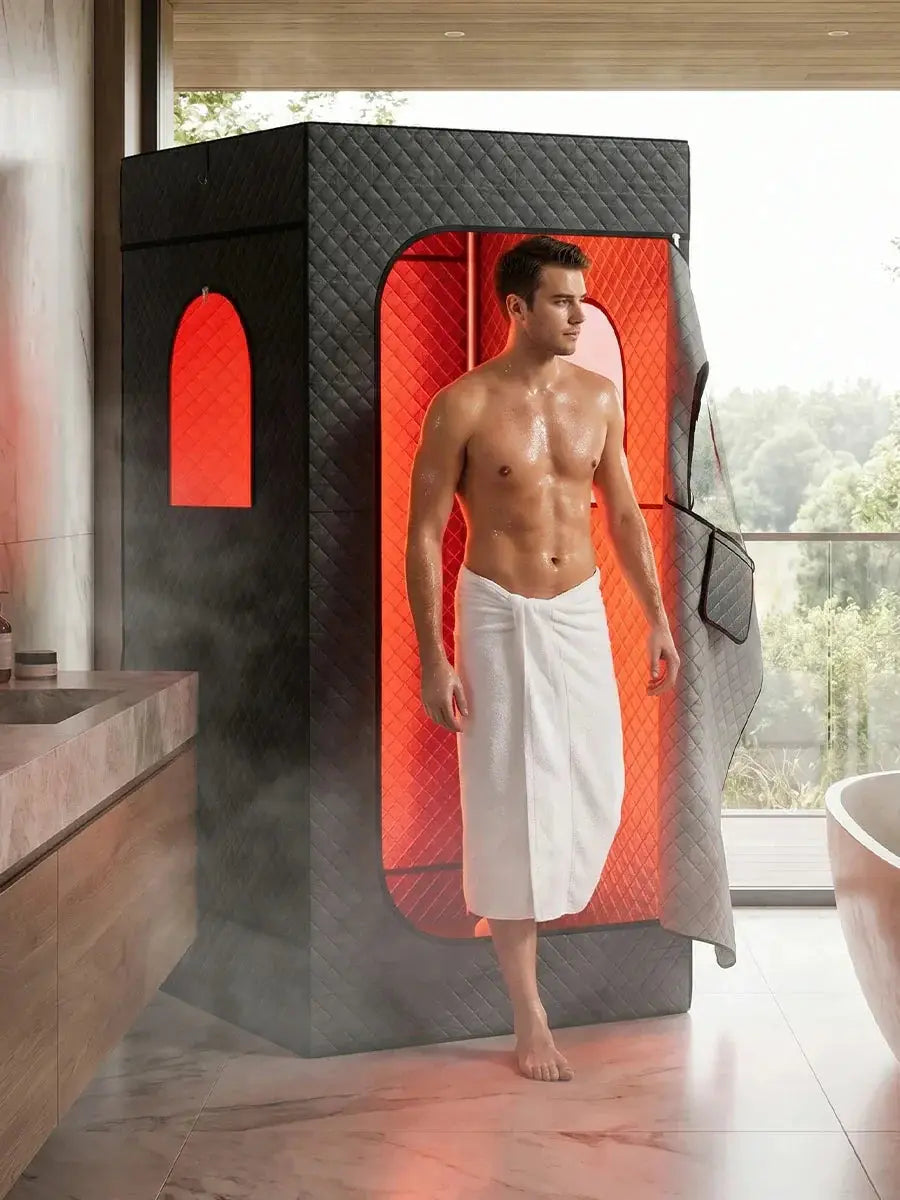
SaunaSpace sits in a narrow lane of the wellness market: part near infrared sauna therapy, part design object, and part premium recovery tool. For buyers comparing a SaunaSpace Luminati portable infrared sauna with simpler home setups, the appeal is the clean build, compact footprint, and heat that feels more focused than a typical hot-box sauna. The tradeoff is obvious too: this is a pricey system, and it asks buyers to value materials, near infrared light quality, and a more intentional session ritual over raw bargain value.
SaunaSpace Review Snapshot
Best fit? Wellness-focused buyers who want a premium, low-toxicity, made in the usa setup with a strong visual experience and serious attention to materials. SaunaSpace feels less like a generic portable infrared sauna and more like a purpose-built recovery space. The heating style leans on near infrared light rather than a steamy cabin feel, so sessions are warm, bright, and relatively compact. Build quality is a standout, but the premium price means it makes sense most for people who will actually use it regularly.
What SaunaSpace Is and How It Works
The naming can be confusing at first: FireLight refers to SaunaSpace’s core sauna system, while Luminati and Photon are related product lines or configurations built around the same near infrared approach. In practice, the system uses specialized bulbs that emit near infrared light, which penetrates the body and produces radiant heat you feel directly on skin and tissue. That is different from traditional saunas, which rely mainly on heating the air around you, or steam rooms, which add humidity instead of light-driven radiant warmth.
Build Quality and Materials
SaunaSpace’s enclosure leans hard into clean materials: wood framing, fabric panels, stainless hardware, and a compact cabinet-style layout that feels intentional rather than improvised. That matters for buyers worried about offgassing, especially in a heated environment where smells and coatings become more noticeable. The unit is also designed to be portable and easier to place than a full permanent build, which helps in apartments, home gyms, or recovery rooms. At this price, the finish needs to feel premium, and it generally does.
Hands-On Experience in Daily Use
Setup is the first signal that this is a serious product: parts are organized, assembly is manageable, and the unit feels intuitive once it is in place. The first session stands out because the warmth arrives from the near infrared light itself, not from waiting for a bulky chamber to fully preheat. Seating is more like settling into a focused recovery pod than lounging in a spa cabin, so posture and distance from the bulbs matter. In daily use, that makes the sauna easy to fold into a morning routine, post-workout cooldown, or evening wind-down.
Heating Performance and Sweat Output
Heating performance is less about soaking the room and more about creating a concentrated, body-centered sweat. Warm-up tends to feel faster than many traditional infrared box systems, and the heat intensity can be surprisingly effective even when the ambient air never becomes punishingly hot. That lower-temperature feel is part of the appeal for users who dislike oppressive sauna conditions. Compared with far infrared alternatives, the session can feel brighter, more direct, and in some cases more demanding on the skin and eyes because of the lamp-based exposure.
Light Therapy Benefits and Claims
The main reasons people consider near infrared sauna therapy are recovery, circulation support, relaxation, and a general sense of renewed energy after use. The near infrared angle is the part most directly tied to the experience, since the body receives radiant light alongside heat. That said, it is best to separate felt benefits from medical claims. Many users report looser muscles, better post-exercise recovery, and a calmer nervous system, but those are experiential outcomes rather than guarantees. The strongest case is practical: the routine feels effective and repeatable.
EMF, Shielding, and Safety Considerations
EMF-sensitive shoppers often care less about marketing language and more about what is actually near the body during a session. SaunaSpace’s shielding and grounding options change the value proposition because they address a real concern for people who want a cleaner electrical environment. That can make the system more attractive than a standard sauna panel with less attention to exposure. Still, bulb distance, eye comfort, and placement matter. Users should avoid crowding the lamps, follow setup guidance carefully, and think about ventilation, floor stability, and power access before buying.
100 Day Risk-Free Trial, Warranty, and Support
The 100 day risk-free trial lowers the pressure on a purchase this expensive. For hesitant buyers, that matters because sauna preferences are personal: some people love the light-driven warmth immediately, while others need time to decide whether the format fits their routine. Return conditions should still be read closely, but the policy signals confidence. Add warranty coverage and responsive support, and the purchase feels less speculative. That kind of backing is a big part of why premium buyers take SaunaSpace seriously.
SaunaSpace Pricing and Value
The price reflects more than heat output. Buyers are paying for made in the usa construction, low-offgassing materials, a cleaner design philosophy, optional shielding, and a session style that feels closer to a recovery ritual than a basic appliance. Some features are easy to value, like portability and build quality. Others, like the premium aesthetic or specialized lighting setup, may feel optional unless you care about the experience itself. Against cheaper infrared sauna options, value depends on whether the goal is simple sweating or a more refined long-term wellness tool.
SaunaSpace vs Other Light Therapy Options
Compared with LED red light panels, SaunaSpace offers immersion instead of surface-level exposure. A red light panel can be great for targeted sessions, but it does not create the same enclosed heat and ritual. Compared with standard infrared saunas, SaunaSpace feels lighter, more visually distinct, and often more portable, though it may not deliver the same cavernous heat some users want. Full-spectrum red and near infrared light are related but not identical: near infrared is more associated with deeper radiant warmth, while full-spectrum red is usually discussed in broader light therapy terms. Athletes may prefer SaunaSpace for recovery and sweat; minimalist users may prefer a panel for simplicity.
| Option | Best Strength | Main Tradeoff |
|---|---|---|
| SaunaSpace near infrared sauna | Immersive heat, premium materials, portability | High price |
| LED red light panel | Targeted light therapy | No sauna-style heat |
| Standard infrared sauna | Broader sauna feel and more familiar setup | Less distinctive light-focused experience |
Best For, Not Best For
SaunaSpace is best for wellness enthusiasts, recovery-focused athletes, EMF-conscious shoppers, and couples who want a shared but compact sauna experience. It is not a great fit for budget-first buyers or anyone who wants the cheapest possible way to sweat at home. If the priority is premium materials, portability, and a more deliberate light therapy session, it makes sense. If the only goal is low-cost heat, there are easier choices.
Setup, Space, and Maintenance Tips
Plan for a dedicated indoor corner with enough clearance for safe bulb distance, a stable floor, and easy access to power. Assembly is straightforward for most buyers, but it still helps to treat it like a real home installation rather than a temporary gadget. Cleaning is simple: wipe down surfaces, keep fabric and wood dry, and check hardware periodically. Users can maintain it without much effort if they keep the area uncluttered and follow a basic post-session routine. That simplicity helps long-term ownership.
Near Infrared Sauna Therapy FAQ
Is near infrared sauna therapy worth it?
For most readers, yes if the goal is regular recovery, a cleaner heat experience, and a sauna you will actually enjoy using. The format is popular because it combines warmth, light, and a manageable session ritual in one system.
How often should you use a SaunaSpace sauna?
A practical starting point is 2 to 4 sessions per week for 15 to 30 minutes, then adjust based on tolerance, goals, and schedule. Some users go daily, but consistency matters more than chasing long sessions early on.
What makes SaunaSpace different from other sauna panels?
The difference is the light source, the enclosed experience, and the build philosophy. A sauna panel alone can feel utilitarian; SaunaSpace feels more immersive because the near infrared light is part of the session environment, not just the heat source.
Final Verdict on SaunaSpace Near Infrared Therapy
SaunaSpace earns a strong recommendation for buyers who want premium materials, a clean setup, and a genuinely distinctive near infrared sauna therapy experience. Pass if price is the main issue or if you only want basic heat. Buy if you value portability, build quality, and a more intentional recovery ritual.



Dejar un comentario
Este sitio está protegido por hCaptcha y se aplican la Política de privacidad de hCaptcha y los Términos del servicio.