

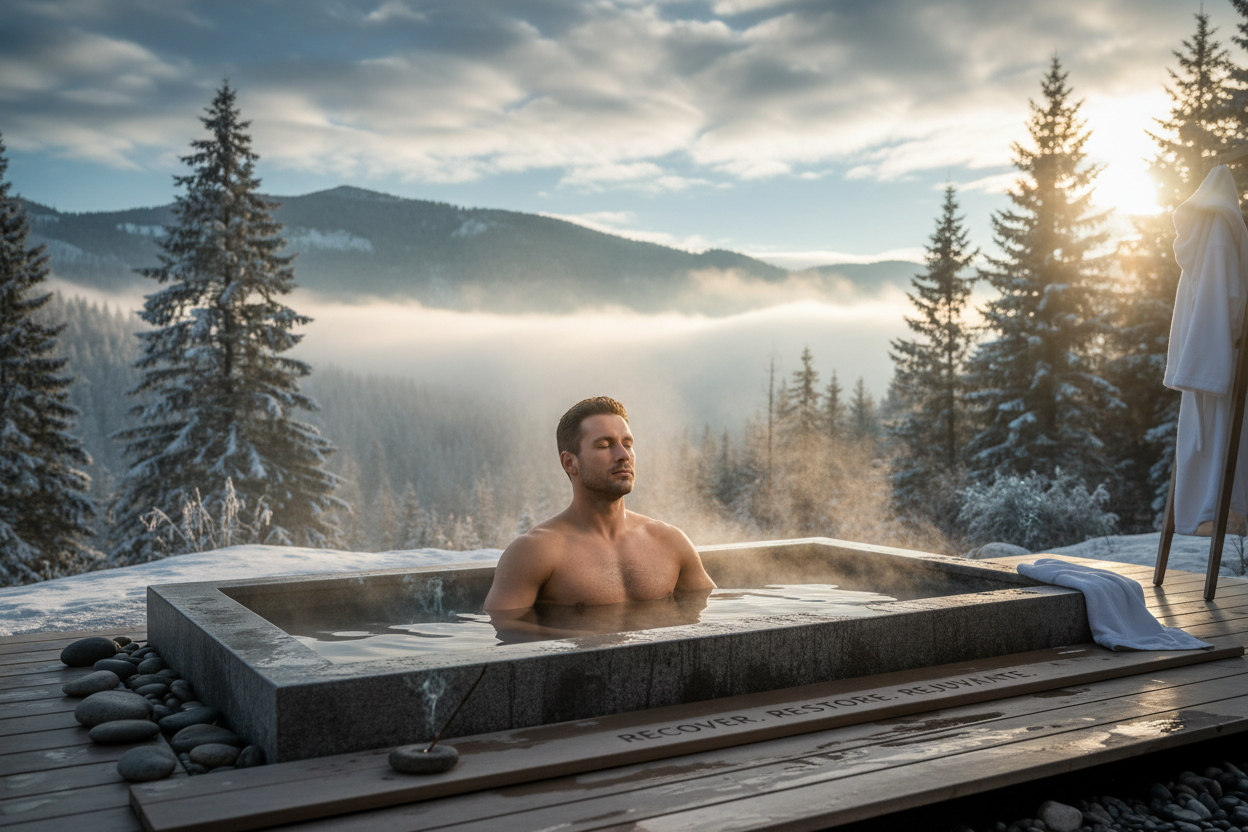
Cold plunging has moved from locker rooms and endurance labs into backyard routines and recovery spaces for a reason: the practice is simple, memorable, and often feels immediate. A few minutes in cold water can leave some people feeling sharper, less beat up after training, and oddly refreshed. The health benefits of cold plunge therapy are often discussed alongside recovery, inflammation, mood, circulation, sleep, and overall health, but the experience is also personal. What helps one person bounce back may feel too intense for another.
What Is Cold Plunging?
Cold plunging is a form of cold-water immersion where the body is exposed to chilly water for a short period, usually in a cold plunge tub, ice bath, or other controlled setup. People use it after workouts, during wellness routines, or as part of self-care. A cold plunge differs from a cold shower because the immersion is more complete and usually colder. It is also different from contrast therapy, which alternates hot and cold water. For beginners, the main idea is simple: brief exposure, controlled water temperature, and a clear exit plan.
How Cold Plunging Works in the Body
Cold water causes blood vessels near the skin to narrow, which changes blood flow and helps the body conserve heat. That response can make you feel instantly alert, because the nervous system shifts into a high-readiness mode. Breathing often becomes faster at first, and the body works to regulate core temperature. These short-term reactions explain why cold plunging feels so dramatic right away. The same stress response can also create the sense of a reset afterward, especially once the body warms back up. Some people love that jolt; others find it overwhelming.
Cold Plunging Benefits for Recovery
For athletes and active people, one of the biggest draws is recovery. After hard training, cold plunges may help reduce swelling and the sense of heavy, tired muscles, which can make the next session feel more manageable. Sports medicine discussions often focus on endurance recovery, where cooling down and limiting post-exercise inflammation may be especially useful. The trade-off is that cold exposure is not always ideal right after strength-focused training if muscle-building is the main goal. In other words, cold plunging can be a recovery tool, but the best choice depends on the training objective.
How It May Decrease Inflammation and Pain
Cold exposure can temporarily decrease inflammation by narrowing blood vessels and reducing fluid buildup in tissues. That is one reason many people associate a plunge with less swelling and fewer aches and pains after long runs, intense lifting, or a physically demanding day. The relief is usually about comfort and recovery, not diagnosis or treatment. If pain is sharp, persistent, or linked to injury, cold water is not a substitute for medical care. Still, for ordinary post-exertion soreness, the calming effect can be enough to make movement feel easier the next day.
Possible Mood and Mental Health Effects
Cold plunging is famous for the mood boost people describe afterward. The shock of cold water can create strong alertness, and once the initial discomfort passes, some users feel calmer and more capable. That contrast is part of the appeal: a stressful minute or two followed by a noticeable lift. The experience is not universally positive, though. For some, the same sensation feels like too much pressure, not a reset. Research on mental health benefits is still developing, so it helps to separate personal reports from proven effects.
Why Cold Plunging May Help You Sleep Better
Some people say a cold plunge helps them sleep better later in the day, possibly because the body settles after the initial stress response and the nervous system downshifts. That said, the evidence is limited, and timing matters. A plunge that leaves someone energized late at night could do the opposite of what they want. Sleep may improve for certain people, but it is best treated as a possible personal response rather than a guaranteed outcome. If the goal is rest, experimentation with timing is often more useful than expecting a fixed result.
Circulation and Blood Flow Benefits
Cold exposure causes blood vessels to tighten temporarily, which changes circulation and can affect how blood moves through the body. Afterward, warming back up may create a noticeable rebound in blood flow, which is one reason people describe feeling fresh or “switched on.” That shift may also support recovery by helping move fluid and easing the feeling of puffiness. Even so, anyone with circulation problems or heart concerns should be cautious. The same blood vessel response that feels invigorating for one person can be risky for another.
How to Cold Plunge Safely
Safety matters more than toughness. Beginners usually do best with a short plunge of 30 seconds to 2 minutes, using cold water that is cold but not extreme, then gradually building tolerance over time. Many people start around 50 to 59°F and increase exposure slowly rather than chasing the coldest possible setup. Use a supervised space if possible, keep towels nearby, and warm up afterward with dry clothes and light movement. Stop immediately if numbness, dizziness, shaking that feels unmanageable, or overwhelming discomfort shows up. A safe cold plunge should feel challenging, not chaotic.
Who Should Avoid Cold Plunging?
People with heart conditions, high blood pressure, Raynaud’s, or a history of fainting should get medical guidance before trying cold plunging. Certain medications and medical conditions can also affect how the body handles cold stress, especially when blood vessels constrict quickly. Extra caution is wise for anyone with nerve issues, poor circulation, or concerns about frostbite sensitivity. If there is any uncertainty, a clinician can help decide whether cold exposure is appropriate. For some readers, the smartest wellness move is to skip the plunge and choose a gentler recovery method instead.
Best Water Temperature and Time Limits
For most beginners, a practical starting range is cold water around 50 to 59°F, with short sessions that feel manageable rather than punishing. More experienced users may go colder or stay in longer, but that progression raises safety risks quickly. There is no prize for pushing through excessive exposure. A shorter, consistent routine is usually more useful than an ambitious plunge that leaves someone wiped out. As temperature drops and time increases, the chance of discomfort, numbness, and overexposure rises fast, so conservatism pays off.
Cold Plunge Tub Options and At-Home Setup
At home, people usually choose between DIY cold setups and purpose-built cold plunge tubs. A basic setup may be cheaper, but it can be harder to control water temperature, cleanliness, and convenience. A dedicated cold therapy pod or portable ice bath tub often offers better insulation, easier maintenance, and a more repeatable experience. For buyers comparing options, temperature control and safety matter most, followed by durability and how often the tub will actually be used. The best setup is the one that makes cold plunging easy enough to stick with.
Cold Plunging FAQs
Do you need to cold plunge every day? No—many people start with 2 to 4 sessions a week. Is it too much if you dread it every time? Probably. Should it happen right after every workout? Not always, especially if muscle growth is the goal. Many users find it best after hard endurance work or on recovery days. How often should a beginner start? Short sessions, a few times weekly, are usually enough to learn how the body responds.
What to Remember Before Starting
Cold plunging can be a useful recovery and wellness tool, but the real benefits depend on the person, the temperature, and the reason for doing it. The strongest upside tends to be around recovery, alertness, and reduced swelling, while claims about mood, sleep, and circulation are more individualized. If the practice feels helpful and safe, it can fit into a broader routine alongside exercise, sauna use, and other self-care habits. If it feels extreme or risky, a gentler approach is the better choice.


Dejar un comentario
Este sitio está protegido por hCaptcha y se aplican la Política de privacidad de hCaptcha y los Términos del servicio.